



Design of Energy Facilities
Energy independence is one of Ukraine’s key priorities for the coming years, which is why the design of energy facilities and decarbonisation as a strategic direction will become increasingly in demand. Today, the energy sector is undergoing fundamental transformation worldwide. This shift is aptly reflected in the words of Sheikh Ahmed Zaki Yamani: “The Stone Age did not end for lack of stone, and the Oil Age will end long before the world runs out of oil…”
Expected changes in Ukraine's energy sector
In the near term, our country faces a highly strategic and important task: to eliminate dependence on Russian gas and petroleum products.
This objective can be divided into several key areas:
- Providing consumers with a reliable source of electricity and heat supply.
- Reducing energy consumption costs.
- Decarbonisation / striving to achieve zero emissions that pollute the atmosphere.
Energy independence and the decarbonisation of processes should become a priority for every client developing an energy facility.
Innovative Types of Energy Generation
Alternative Energy
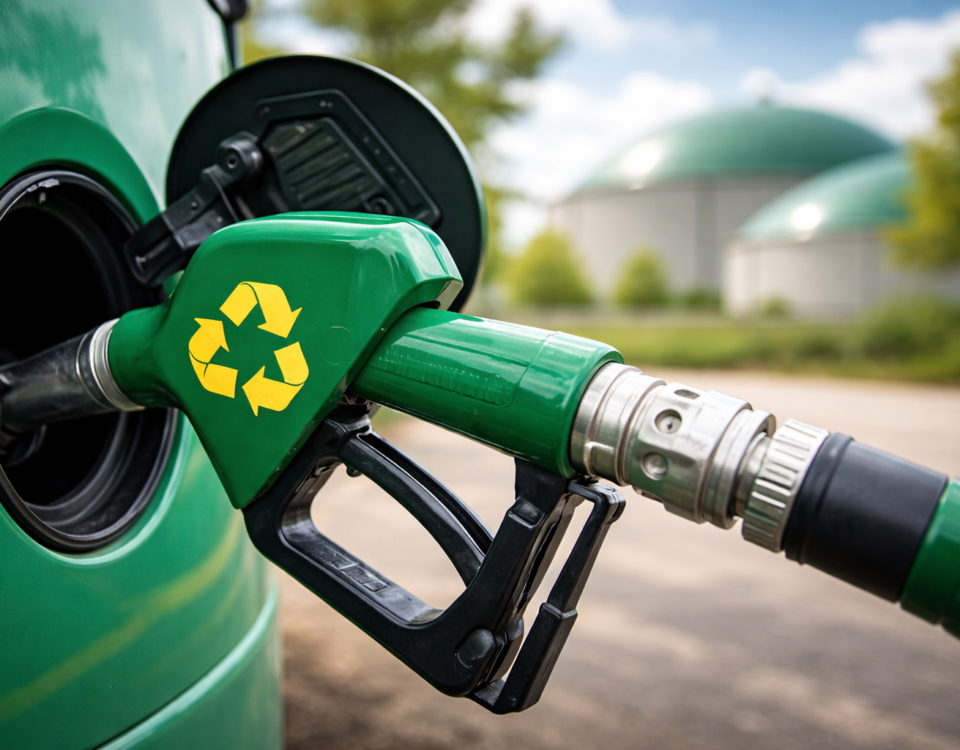
This category includes fuels derived from biomethane or hydrogen.
The hydrogen economy stimulates job creation and economic growth, which Ukraine urgently needs today. It is becoming one of the key drivers on the path towards energy decarbonisation.
Today, hydrogen is used for a wide range of purposes:
- fertiliser production;
- improving petrol quality;
- enhancing steel properties;
- in the food industry, for the production of margarine and solid confectionery fats through the hydrogenation of vegetable oils.
The following processes also rely on hydrogen:
- hydrotreating;
- hydrodesulfurisation;
- hydrocracking;
- catalyst regeneration.
The use of hydrogen in fuel cells is considered the most environmentally friendly application.
There are several sources for hydrogen production:
- Natural organic fuels (natural gas, coal, wood, etc.).
- Organic waste from agriculture, industry, and municipal utilities, which is converted into syngas through gasification or pyrolysis.
- Hydrogen production from water by splitting its molecule into H2 and O2 through electrolysis or thermochemical decomposition.
- A biological method of producing molecular H2 from a mixture of water and nutrients using solar energy, as a by-product of blue-green algae activity.
Depending on the production method, hydrogen is commonly classified by colour as “green”, “blue”, or “grey” hydrogen.
There are two fundamentally different concepts for organising hydrogen production and use:
- decentralised systems (hydrogen production is located close to the point of consumption, eliminating the need to transport hydrogen to the end user)
- centralised production (production is concentrated in specific locations, and hydrogen is delivered by transport to specialised consumers).
In our country, the development of hydrogen energy requires that the state resolve the issue of how hydrogen will be delivered to the point of use.
The main sectors driving demand for this type of energy are:
- transport (maritime, road, and aviation);
- metallurgy;
- chemical industry;
- heating and cooling of buildings;
- power generation.
The lack of clarity regarding the colour classification of hydrogen is an obstacle to innovation. Oversimplification and giving absolute priority to one colour category or another may lead to the premature rejection of a range of technological solutions that could potentially prove more effective in terms of cost and carbon emissions.
The hydrogen economy can stimulate the creation of new jobs and economic growth, helping to achieve the goals of successful recovery after the COVID-19 pandemic. A number of national hydrogen strategies place employment generation at the centre of sector development, including opportunities to retrain the existing workforce and educate new specialists.

Decarbonization in Energy Facility Design
Our design bureau provides a range of services in this field:
- advising on the list of required documents;
- carrying out pre-design work related to integrating the client’s facility with existing utility networks;
- determining the consequence class for the entire complex and for each individual facility within it, regardless of its purpose;
- developing and coordinating designs for the required energy systems and connection schemes for integration into the relevant networks;
- refining design solutions until positive conclusions are obtained from the relevant government authorities;
- providing author’s supervision.
We deliver all assigned tasks to the highest standard, taking into account the applicable legal and regulatory framework of the state. If construction is to be carried out within a populated area, we also consider the current urban planning documentation in force.
Decarbonization of the energy sector has become a key objective for our design company as part of supporting the country’s modern development. The high-quality design services offered by TCH Project help our clients optimize capital investment. We provide professional services, saving our clients both time and money. We develop modern projects by engaging leading architects and structural engineers.
Completed Projects

Other projects