


How can livestock waste be turned into a highly marketable product?
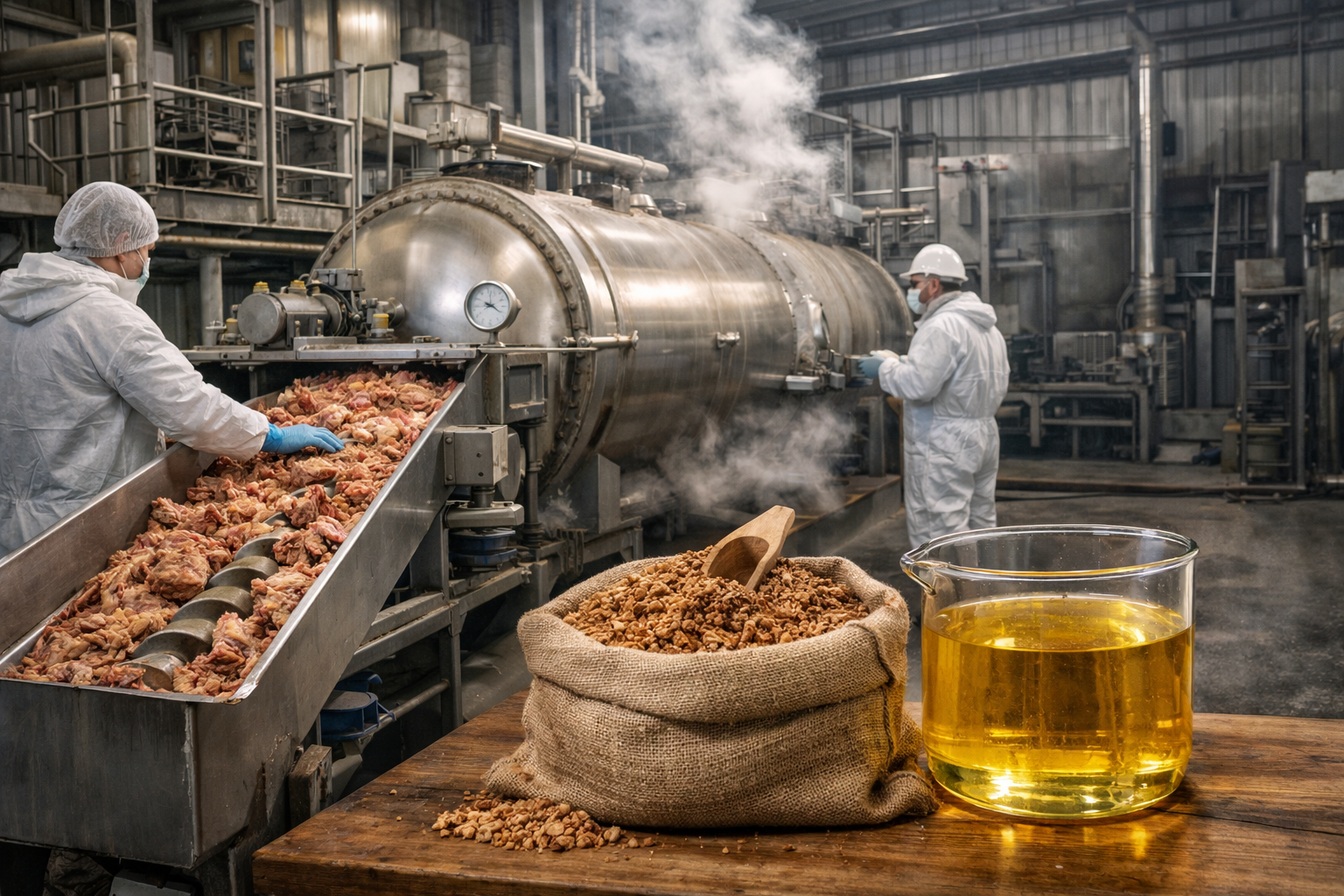
For a modern livestock complex, waste disposal is not only an environmental issue but also a significant cost item.
Our design company offers the implementation of thermal dehydration (drying) systems that make it possible to replace costly burial with profitable production.
Processing technology: From raw material to end product
The dehydration process under our engineering supervision includes four key stages:
- Industrial grinding: Preparation of a homogeneous mass to ensure guaranteed and uniform heating.
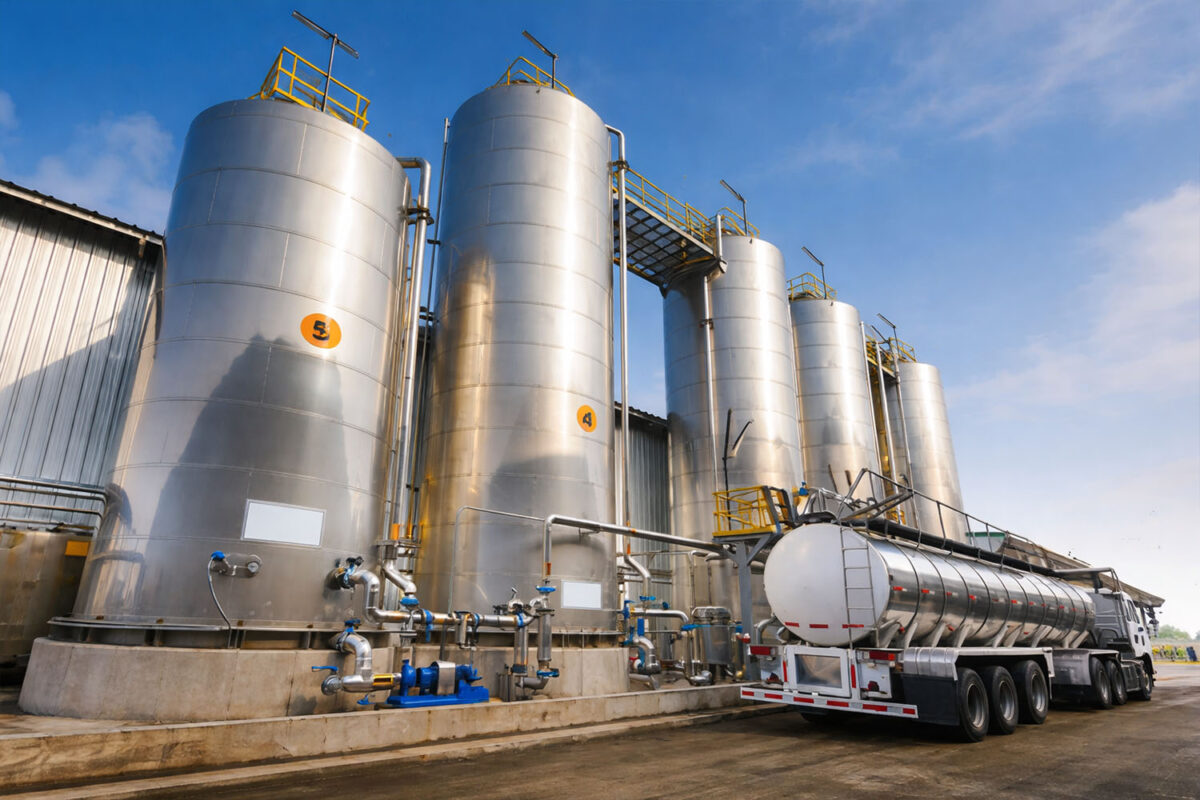
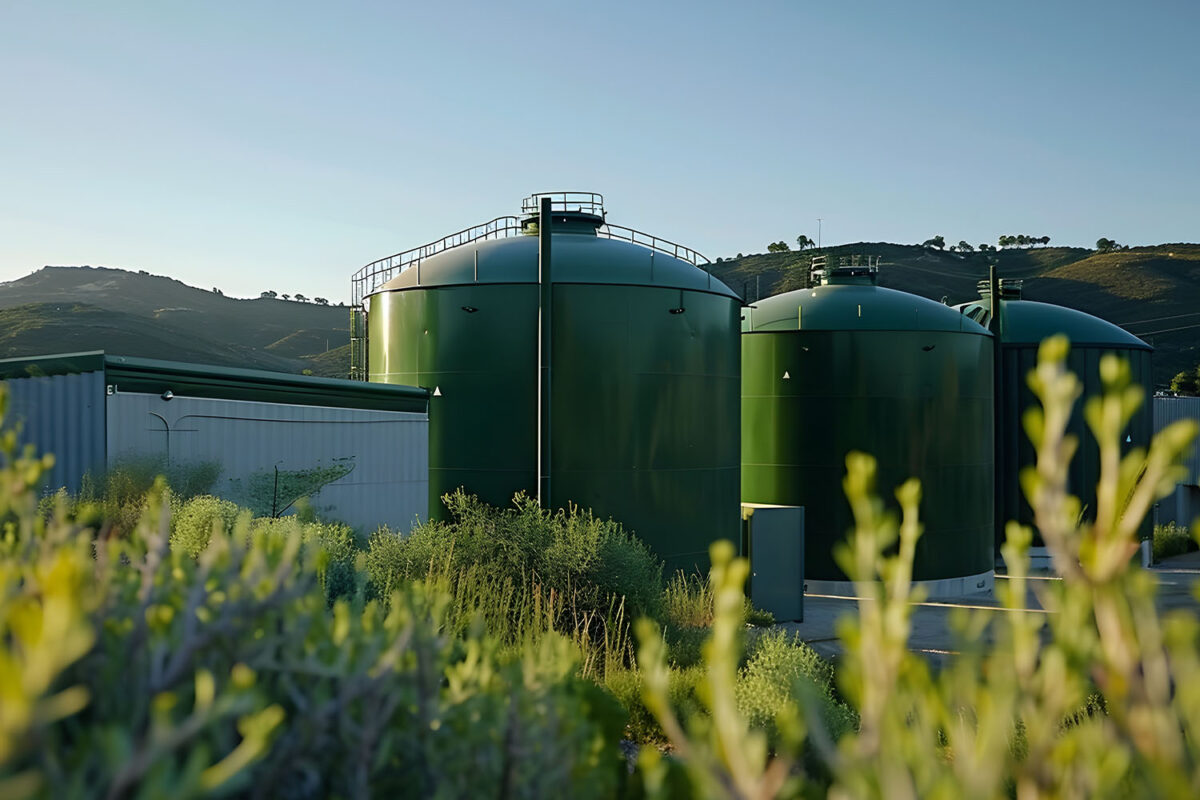
- High-temperature treatment: Heating in dehydrators (boilers) to 120–150°C.
- Intensive evaporation: Reducing the weight of the raw material by 50–70%, which critically lowers logistics costs.
- Deep sterilization: Complete destruction of pathogens, viruses, and bacteria under high-temperature exposure.
What does the client receive as the end result?
Instead of problematic waste, you obtain two commercial products:
- Meat and bone meal: A high-protein feed additive or an organic fertilizer with a high phosphorus content.
- Animal fat: A valuable raw material for the biofuel (biodiesel) or chemical industry.
Advantages of implementing the project:
- Epidemiological safety: Prevention of groundwater contamination and the spread of disease.
- Compactness: Significant savings in storage space due to the reduced volume of waste.
- Self-sufficiency: Complete on-site disposal directly at the enterprise without dependence on third-party waste processors.
- Environmental compliance: Alignment of the enterprise with international environmental management standards.
Turnkey engineering solution
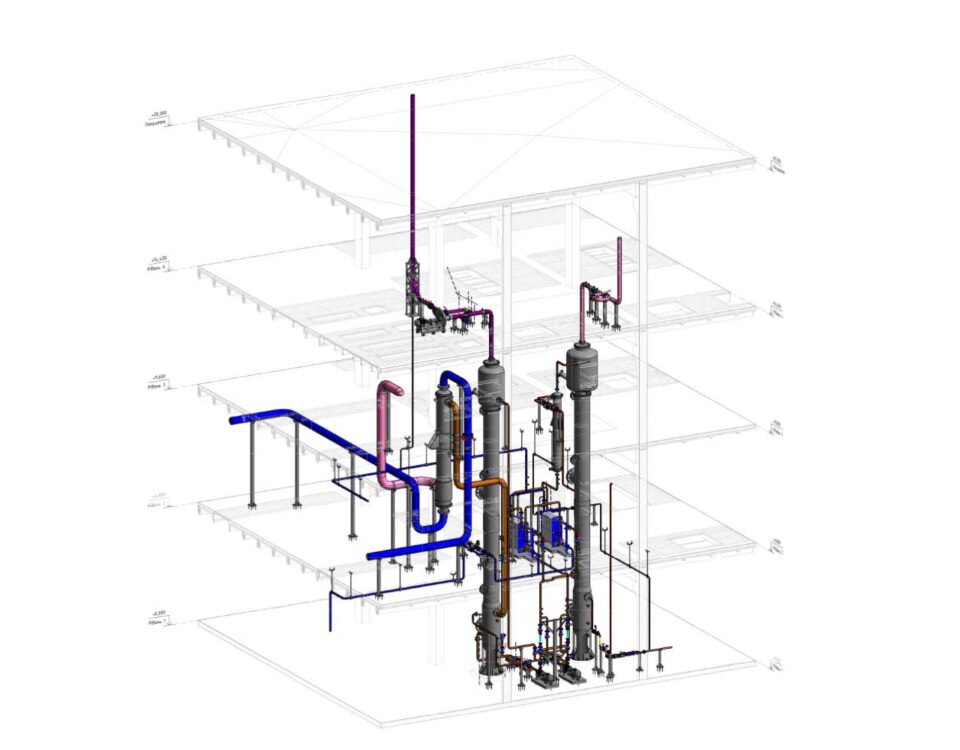
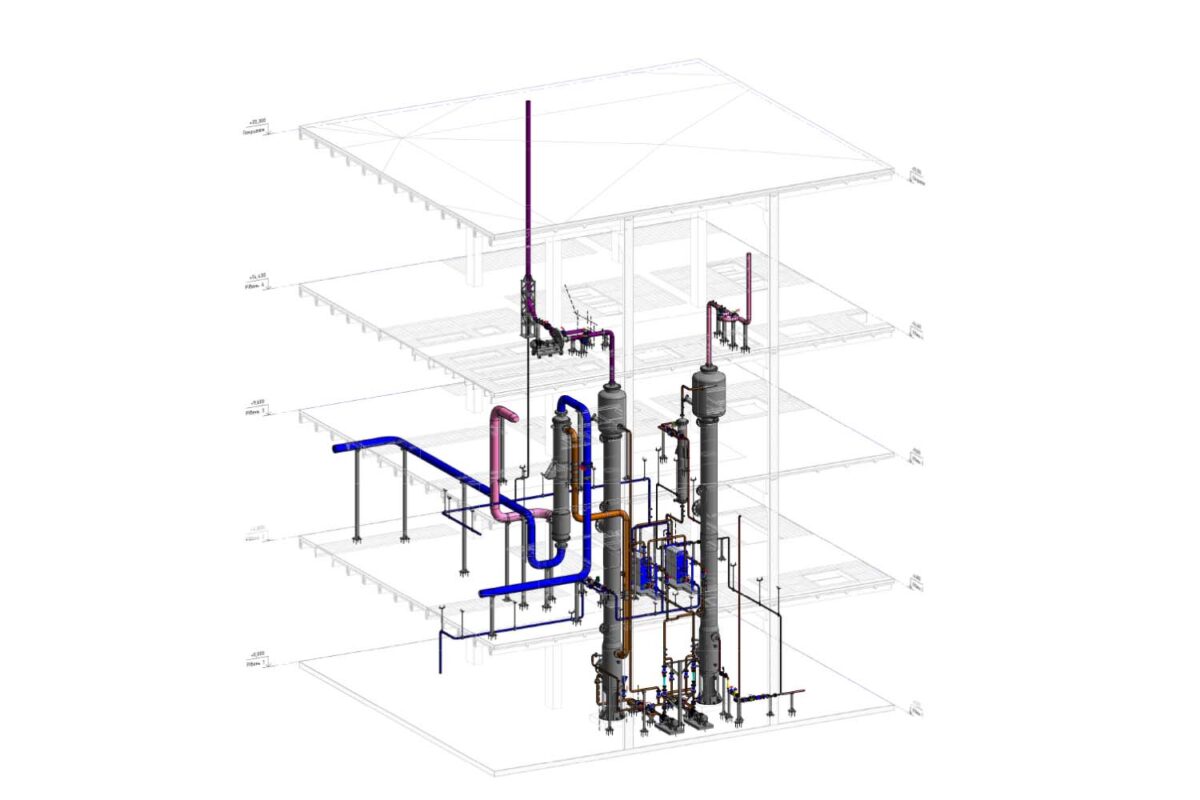
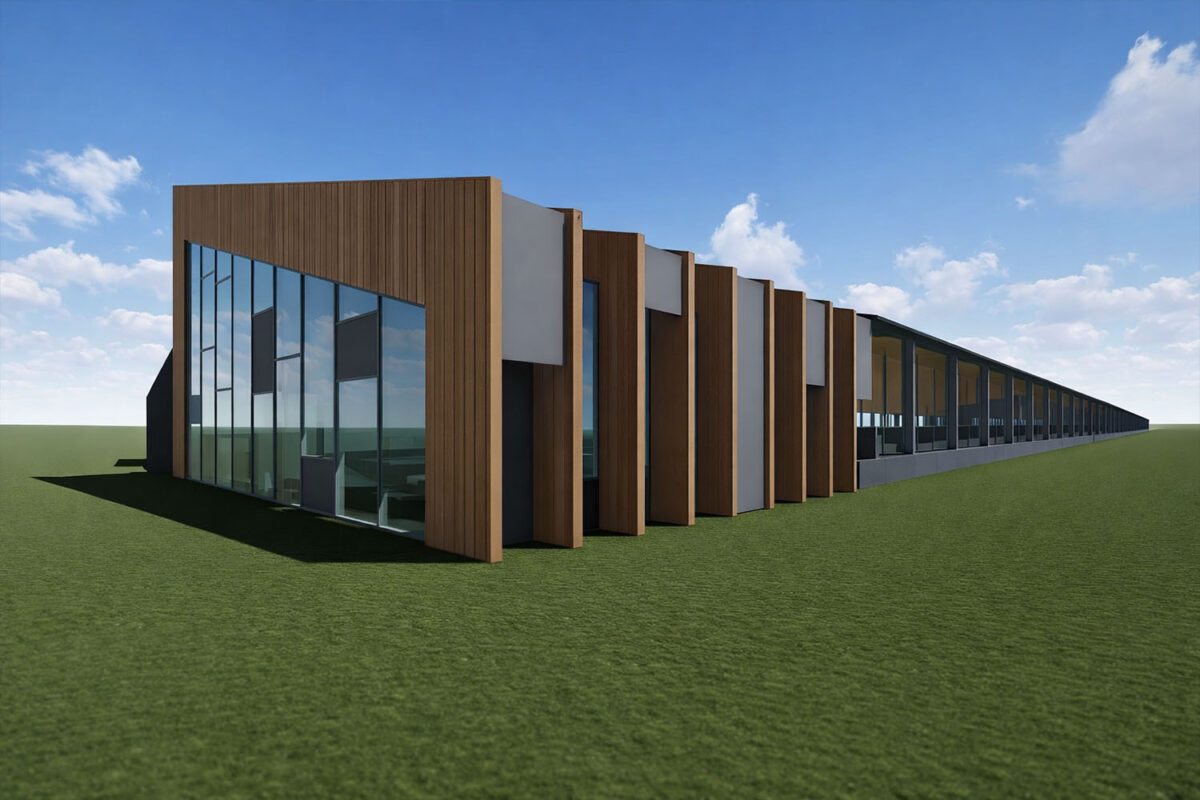
We design processing facilities tailored to the specifics of your livestock operation, integrate emission treatment systems, and automate temperature control.
Would you like to find out how quickly investments in your own dehydration line will pay off based on your production volumes?